Pressure Washer Safety: Protecting People, Pets and Plants
Pressure washing is one of the most effective ways to remove salt residue, mould, algae, grime and weathering from driveways, decks, fences, pool surrounds and exterior walls. In Bondi, where salt-laden sea air, coastal humidity and sandy conditions are part of daily life, many homeowners rely on pressure washers to keep outdoor areas clean and safe. However, a pressure washer is a powerful tool. A typical domestic unit produces anywhere from 1,500 to 3,000 PSI, and commercial machines can exceed 4,000 PSI. That is more than enough force to cause serious injury, damage property and harm gardens if used carelessly.
This guide explains how to protect yourself, your family, your pets and your plants when pressure washing a Bondi property, and when it makes sense to call a qualified local professional.
Understanding the Risks of Pressure Washing
Many people underestimate how dangerous a pressure washer can be. A jet of water at 2,000 PSI or higher can lacerate skin, force water and bacteria beneath the surface of the body, and send debris flying at high speed. Injuries often occur in seconds and can require surgery. Beyond personal injury, risks include electric shock, falls from ladders or wet surfaces, chemical exposure, and damage to windows, render, timber and landscaping.
Common Pressure Washer Injuries
- Lacerations and injection injuries: High-pressure water can penetrate the skin, often leaving a small wound that hides serious deep tissue damage. Any injection injury needs urgent medical attention.
- Eye injuries: Flying grit, sand, paint chips and small stones can cause permanent eye damage.
- Slips and falls: Wet tiles, algae-covered paving and sloping surfaces become extremely slippery during cleaning.
- Kickback and loss of control: The trigger gun recoils when activated, which can throw you off balance, particularly on ladders.
- Electrical hazards: Water and power do not mix, and faulty cords, poor connections or wet outlets increase the risk of shock.
- Hearing damage: Petrol-powered units can be loud enough to cause hearing loss over prolonged use.
Personal Safety: Protecting Yourself
Wear the Right Protective Gear
Never operate a pressure washer in thongs or bare feet, which is a common mistake in a beachside suburb like Bondi. Wear closed-in, non-slip footwear, preferably with steel or reinforced toe caps. Long pants provide a layer of protection from ricocheting debris and spray. Safety glasses or goggles that meet Australian Standard AS/NZS 1337 are essential, and gloves improve grip and protect your hands. If using a petrol machine or working in a confined space, ear protection is a sensible addition.
Inspect the Equipment Before Each Use
Before you start, check the hose for cracks, bulges or leaks, as a burst high-pressure hose can whip dangerously. Inspect the trigger gun, wand, fittings and nozzles for wear. Make sure connections are tight, and confirm that the trigger lock functions properly. For electric models, examine the power cord and plug for damage, and use a residual current device (RCD) or safety switch. Australian electrical safety guidance strongly recommends RCD protection for outdoor power tools.
Use Safe Operating Technique
Always hold the wand with both hands and maintain a firm, balanced stance. Never point the nozzle at yourself, other people, animals or windows. Start with the nozzle at least 1 metre from the surface and move closer gradually. Do not use a pressure washer while standing on a ladder, as the recoil can cause a serious fall. For high areas such as upper walls, gutters and eaves, use an extension lance or engage a professional with proper working-at-heights equipment and training.
Protecting Children and Bystanders
Children are naturally curious and may be drawn to the noise and spray of a pressure washer. Before you begin, ensure kids are indoors or well away from the work area. Never leave a machine running or pressurised and unattended, even briefly. After finishing, turn off the machine, release trapped pressure by squeezing the trigger, disconnect the water supply and store the equipment securely out of reach.
In Bondi's many terrace homes, apartments and shared spaces, take extra care that overspray does not reach neighbours, passers-by or shared walkways. If cleaning a footpath, driveway or common property, place signs or cones to warn others, and be mindful of wet, slippery surfaces left behind.
Keeping Pets Safe
Pets can be harmed by the machine itself, by loosened debris and by cleaning chemicals. Dogs, cats and even birds may be frightened by the noise, and a startled animal can run into the work zone. Follow these precautions:
- Keep pets indoors or in a secure area away from the cleaning zone for the entire job.
- Close doors and gates so animals cannot wander into the area unnoticed.
- Avoid using detergents, bleach or chemical cleaners on surfaces pets frequent until they are thoroughly rinsed and dry.
- Check the area for small animals, lizards, nests and insects before you start, especially around decks, under outdoor furniture and in garden beds.
- Rinse runoff away from areas where pets drink, such as water bowls, ponds or puddles, and wait until surfaces are completely dry before letting pets return.
- Be aware that disturbed mould, algae and debris can irritate sensitive noses and paws, so keep animals away until the area is swept and dry.
Protecting Plants and Gardens
Bondi gardens often include salt-tolerant coastal plants, native shrubs, lawns, succulents and potted herbs, many of which are sensitive to force and chemicals. High-pressure water can strip leaves, bruise stems, expose roots and erode soil, while detergent runoff can burn foliage and alter soil chemistry.
Practical Ways to Safeguard Your Garden
- Pre-wet the plants: Lightly watering nearby vegetation with a garden hose before cleaning helps dilute any cleaner that drifts or runs onto it.
- Cover delicate plants: Use breathable drop sheets or hessian to shield sensitive plants and seedlings from overspray, and avoid plastic that can trap heat.
- Move potted plants: Relocate pots, hanging baskets and garden ornaments well away from the cleaning area.
- Choose biodegradable cleaners: If detergent is necessary, select a plant-safe, biodegradable product and always follow the label directions.
- Use a wider nozzle: A 25 or 40-degree nozzle disperses pressure and reduces the chance of damaging nearby plants or soil.
- Rinse thoroughly afterwards: Flush plants and surrounding soil with fresh water once the job is complete to wash off any residue.
Avoid using bleach or harsh chlorine-based products near lawns, trees and garden beds. These can kill grass, harm soil microbes and damage root systems.
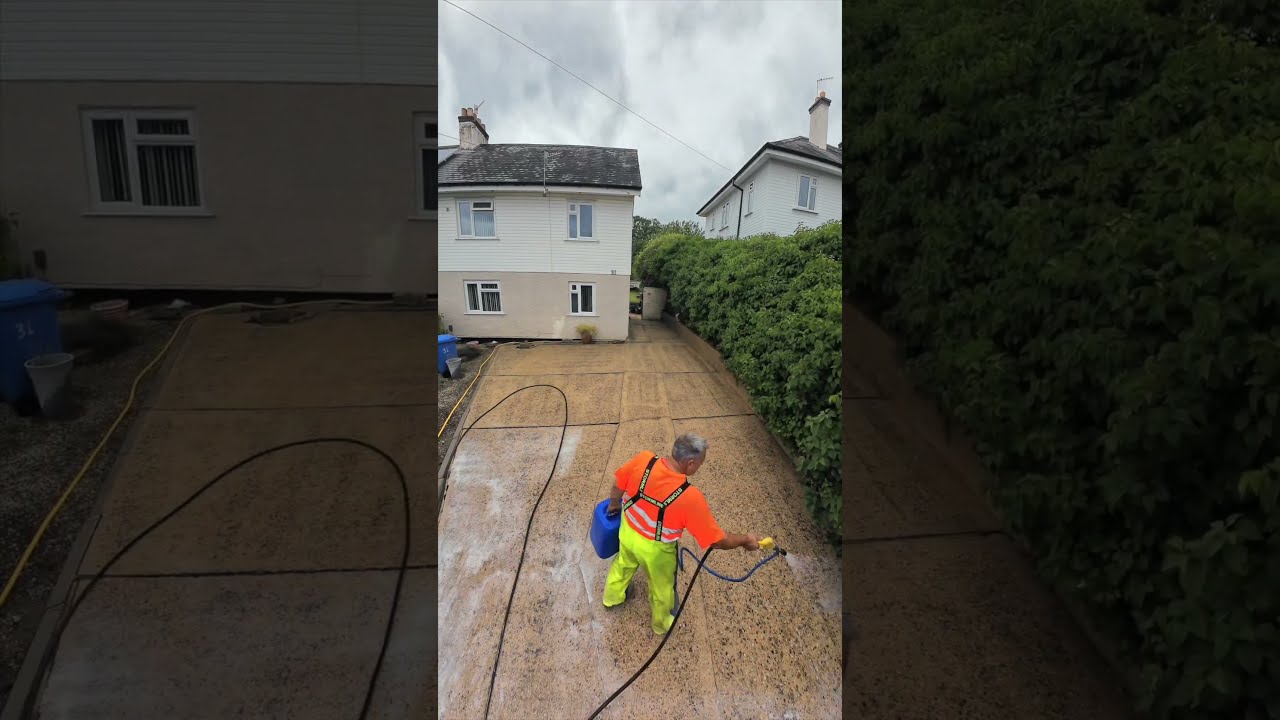
Protecting the Environment and Stormwater
Bondi sits next to some of Sydney's most loved coastline, and anything washed into stormwater drains can flow directly to the ocean without treatment. Dirty wash water, detergents, oil, paint flakes and sediment can harm marine life and water quality. Under NSW environmental regulations, it is an offence to allow polluted water to enter the stormwater system, and local councils, including Waverley Council, encourage residents and contractors to manage wash water responsibly.
Where possible, direct wash water onto lawn or garden areas that can filter it naturally, provided no harsh chemicals are used. For driveways and hard surfaces with detergent or contaminants, use drain covers or bunding, capture the runoff with a wet vacuum, and dispose of it appropriately, usually to the sewer through a sink or laundry connection rather than the stormwater drain. Professionals typically use water recovery systems for commercial and strata jobs to meet these requirements.
Choosing the Right Pressure and Nozzle
Using too much pressure is one of the most common causes of property damage. Different surfaces need different settings, and selecting the correct nozzle protects both the surface and you.
Understanding Nozzle Angles
- 0 degrees (red): An extremely concentrated jet that can cut into surfaces and skin. Avoid it for almost all home cleaning.
- 15 degrees (yellow): Suitable for heavy-duty cleaning on tough concrete stains, used with caution.
- 25 degrees (green): A good general-purpose nozzle for driveways, paving and decks.
- 40 degrees (white): A gentler spray for vehicles, windows, painted surfaces and delicate areas.
- Soap nozzle (black): A low-pressure option for applying detergents.
Softer materials such as timber decking, soft sandstone, rendered walls, older mortar and painted surfaces need lower pressure and a greater working distance. Sandstone, common in older Bondi homes and garden walls, can be pitted or eroded easily. Test a small, inconspicuous area first, and consider soft washing techniques that use low pressure combined with appropriate cleaning solutions for delicate surfaces.
Safe Surfaces and Areas to Avoid
Some items should not be blasted with a pressure washer at all, or require specialist care. Be cautious with:
- Windows with old seals or putty, which can allow water into the home
- Electrical meter boxes, power points, external lighting and air conditioning units
- Older or flaking paint, which may contain lead (see below)
- Roof tiles and solar panels, which can be damaged and make for a dangerous work surface
- Soft timber, cladding and aged render
- Asbestos-containing materials, such as fibro sheeting and some older roofing
Asbestos and Lead Paint Warning
Many Australian homes built before the mid-1980s contain asbestos materials, and homes built before 1970 may have lead-based paint. Pressure washing can break these materials apart and spread dangerous fibres or particles through the air and across your property. In NSW, high-pressure cleaning of asbestos cement roofing and cladding is prohibited under work health and safety regulations because of the contamination risk. If you suspect a surface contains asbestos or lead, do not pressure wash it. Contact a licensed professional and consult SafeWork NSW guidance before proceeding.
Electrical and Fuel Safety
Electric pressure washers should be plugged into an outlet protected by an RCD, and extension cords should be outdoor-rated and fully uncoiled. Keep connections elevated off wet ground, and never handle plugs with wet hands. Do not use a damaged cord or modify the plug.
Petrol-powered machines produce carbon monoxide, an invisible and odourless gas that can be fatal in enclosed spaces. Operate them only outdoors with good ventilation, never in garages, basements or under covered areas with limited airflow. Allow the engine to cool before refuelling, store fuel in approved containers away from ignition sources, and avoid spilling fuel on hot components. In 2026, battery-powered pressure washers have become increasingly popular for light domestic tasks because they eliminate exhaust fumes, reduce noise and remove the need for a https://jsbin.com/zaloguvuva power cord, although they typically offer lower pressure than petrol or mains-powered models.
Using Cleaning Chemicals Safely
Detergents and cleaning agents should be matched to the surface and used exactly as directed on the label. Read the Safety Data Sheet (SDS) where available, wear gloves and eye protection, and never mix chemicals, particularly bleach with acidic or ammonia-based products, as this can create toxic gases. Store chemicals in their original labelled containers, out of reach of children and pets.
Many professional cleaners now favour low-toxicity, biodegradable formulations as awareness of environmental impact grows. Even so, rinse surfaces thoroughly and prevent runoff reaching drains, gardens and pet areas.
Safe Setup and Shutdown Checklist
Following a consistent routine reduces mistakes. Before starting, clear the area of furniture, toys, loose items and debris. Check weather conditions, as strong coastal winds common in Bondi can carry overspray and chemicals onto neighbours, cars and gardens. Connect the hose securely, purge air from the system by running water through the wand before turning the machine on, and then start the engine or power supply.
When finished, turn off the machine, squeeze the trigger to release residual pressure, disconnect the water supply, drain the hoses and store everything in a dry, secure place. Clean the nozzles and check for wear. Regular maintenance, including servicing according to the manufacturer's schedule, helps keep equipment safe and reliable.
When to Hire a Professional in Bondi
While small jobs on flat, accessible surfaces are manageable for confident DIYers, some situations call for a trained professional. Consider hiring a local pressure cleaning service if:
- The job involves roofs, multi-storey walls or any work at height
- Surfaces are delicate, such as sandstone, old render or heritage features
- You suspect asbestos or lead paint
- The property is part of a strata complex with shared areas and wash water rules
- Stormwater compliance and wash water capture are required
- You have limited time, experience or the right protective equipment
Reputable professionals carry public liability insurance, follow safe work method statements, use appropriate equipment and know how to protect people, pets, plants and the surrounding environment. When choosing a provider, ask about insurance, experience with coastal properties, water management practices and the cleaning products they use.
First Aid for Pressure Washer Injuries
Even with careful use, accidents can happen. If someone is injured by a pressure washer jet, treat it as serious, even if the wound looks small. Turn off the machine immediately, cover the injury with a clean dressing and seek urgent medical help. In an emergency, call Triple Zero (000). Tell medical staff that the injury was caused by high-pressure water so they can check for deep tissue damage and infection risk. Do not squeeze the wound or attempt to clean it extensively yourself.
Final Thoughts
Pressure washing can transform the look of a Bondi home, but safe practice is essential. By wearing the right protective gear, maintaining your equipment, choosing the correct nozzle and pressure, keeping children and pets away, shielding plants, preventing polluted runoff from reaching the stormwater system and recognising the limits of DIY cleaning, you can achieve excellent results without putting anyone or anything at risk. When in doubt, particularly with heights, older building materials or environmental compliance, speak with a qualified local pressure cleaning professional who can complete the job safely and responsibly.
Bondi Pressure Cleaning
(02) 8550 5711